Robotics in surgery centers on minimally invasive platforms that extend precision, control, and repeatability. Sophisticated interfaces translate surgeon intent into refined motion, boosting stability and dexterity while enabling real-time visualization and feedback. Decisions hinge on patient selection, goals, and measurable outcomes. Adoption hinges on training, cost awareness, and standardized data, with ethics guiding implementation. As hospitals weigh risks and benefits, the path forward holds promise and practical constraints alike, inviting careful scrutiny of what comes next.
What Robotics in Surgery Is Today
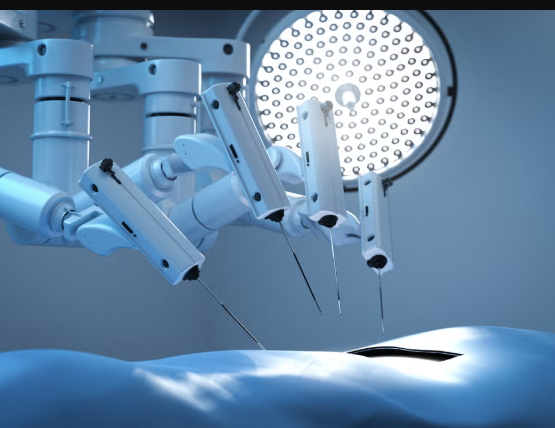
Robotics in surgery today centers on minimally invasive platforms that extend precision, control, and repeatability beyond conventional techniques.
The field leverages sophisticated robotic interfaces to translate surgeon intent into refined motion, enhancing stability and dexterity.
Decisions hinge on patient selection, balancing anatomy, comorbidities, and procedural goals.
Outcomes emphasize reduced recovery times, predictable trajectories, and reproducible results across diverse surgical contexts.
How Robotic Systems Enhance Precision and Safety
By integrating high-fidelity sensing, motion scaling, and tremor filtration, robotic systems translate surgeon intent into ultra-stable, reproducible instrument guidance, thereby elevating precision and safety.
This framework supports precision ergonomics, reducing fatigue and optimizing control, while robotic visualization provides real-time, immersive feedback.
The result is consistent outcomes, enhanced accuracy, and a clearer path to efficient, autonomous-assisted decision-making within complex procedures.
Costs, Training, and Adoption: What It Takes for Hospitals
The move from enhanced precision to practical deployment requires a clear view of costs, training needs, and organizational uptake. Hospitals assess total cost of ownership, capital amortization, and maintenance cycles to quantify cost barriers.
Successful adoption hinges on structured staff training, certification pathways, and cross-functional workflows that minimize disruption while maximizing procedure efficiency and patient outcomes.
Real-World Outcomes and Future Directions in Surgery
Real-world outcomes in robotic surgery hinge on tangible gains in precision, complication reduction, and recovery timelines, quantified across diverse specialties and patient populations.
The trajectory emphasizes reproducible standards, data transparency, and scalable adoption, linking improved patient trajectories with system efficiency.
Robot ethics and surgeon well being frame governance, training, and workload balance, guiding sustainable innovation toward safer, higher-value surgical care.
Frequently Asked Questions
How Do Robots Adapt to Unexpected Intraoperative Complications?
Adaptive control enables rapid reanalysis of tissue dynamics, guiding tool trajectories during anomalies. Fail safe mechanisms activate instantaneously to halt motion, replan, or disengage, preserving patient safety while preserving autonomy and outcome-focused performance under unforeseen intraoperative events.
What Are Patient-Reported Outcomes and Satisfaction Differences?
Patient reported outcomes and satisfaction differences favor minimally invasive approaches, as observed in postoperative surveys and dashboards. The analysis notes nuanced trade-offs: recovery pace, perceived control, and expectations shaping satisfaction beyond technical success or complication rates.
How Is Consent Handled for Robotic-Assisted Procedures?
Consent is documented with defined consent scope and surgeon disclosure of robotic capabilities, risks, and alternatives. The process emphasizes patient autonomy, clear disclosures about machine-assisted limits, and shared decision-making tailored to outcomes and freedom of choice.
What Is the Learning Curve for Specific Robotic Platforms?
The learning curve for specific robotic platforms varies, with gradual competence achieved through structured practice; platform comparison highlights differing ergonomics, haptic feedback, and automation levels, guiding institutions toward optimized outcomes while supporting clinicians seeking autonomy and freedom in technique.
See also: Robotics in Production Lines
Are There Long-Term Risks Unique to Robotic Surgery?
Long term risks exist but are infrequent; data show durability of robotic systems remains high with robust maintenance. System fatigue and instrument wear warrant ongoing surveillance, yet overall outcome stability favors continued adoption given demonstrated robotic durability and precision.
Conclusion
Robotics in surgery has matured into a precision-driven paradigm that consistently translates intent into stable, controllable outcomes. By augmenting dexterity, visualization, and safety checks, robotic platforms enable more reproducible procedures, shorter recoveries, and expanded indications. Adoption hinges on robust training, data standardization, and transparent cost assessment, ensuring scalable implementation across diverse settings. As technology evolves, the trajectory points to deeper autonomy and smarter decision-support, delivering tangible patient benefits while maintaining rigorous ethical and quality benchmarks. steady progress, measurable gains.