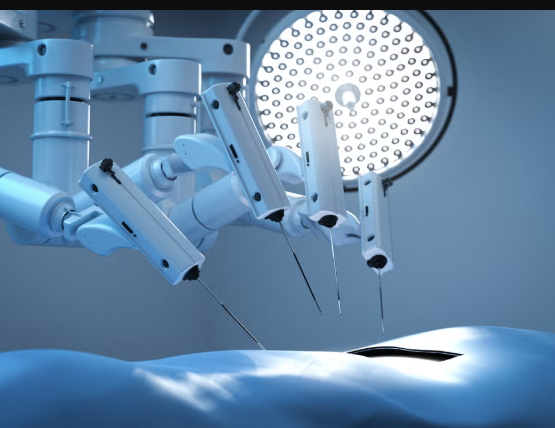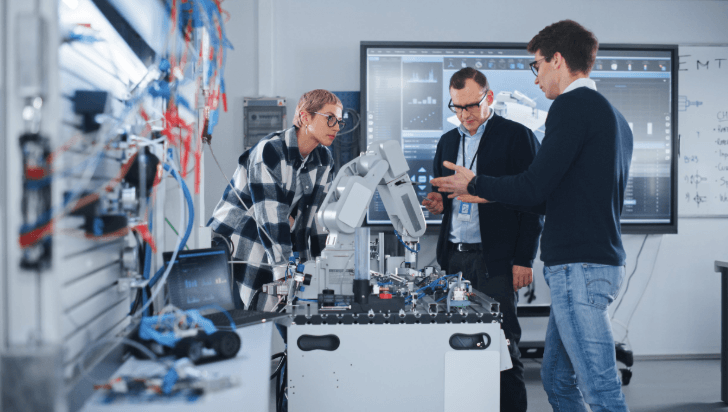
Robotics on modern production lines offer speed, accuracy, and repeatable results with reduced human error. Processes synchronize cycles to minimize downtime and stabilize throughput. Task profiling and capability mapping inform workflow design, with clear error handling and safety validation at the core. Scalable, modular systems rely on preventive maintenance and solid data security. Effective governance and incremental pilots create measurable progress, while organizational readiness faces inevitable questions about integration, skills, and change management. The next step narrows these choices toward concrete implementations.
What Robotics Bring to Modern Production Lines
Robotics bring measurable improvements to modern production lines by augmenting speed, accuracy, and consistency across tasks. In practical terms, automation introduces repeatable results, reduced human error, and predictable throughput. The analysis focuses on robot capabilities, maintenance needs, and integration requirements.
Line efficiency rises through synchronized cycles, minimized downtime, and standardized handling, enabling scalable operations while preserving flexibility for evolving production demands.
Designing Workflows Around Robotic Capabilities
Designing workflows around robotic capabilities requires a systematic assessment of task requirements, cycle times, and grip-and-release parameters before process mapping begins. The approach emphasizes workflow mapping and capability profiling to align tasks with equipment. Efficiency benchmarks guide optimization, while error handling and I/O orchestration define reliability. Safety validation remains integral, ensuring compliant, freedom-enabled, precise production progression through disciplined, methodical implementation.
Scalability, Maintenance, and Data Security in Automation
How can scalability, maintenance, and data security be integrated into automation to sustain performance over time? Systems should implement modular architectures, scalable networking, and standardized interfaces to grow with demand. Regular preventive maintenance, remote diagnostics, and clear escalation paths reduce downtime. Data integrity measures, access controls, and encryption safeguard operations, while ongoing audits ensure resilience, privacy, and robust data security. scalability maintenance, data security.
Navigating Integration, Skills, and Change Management
Navigating Integration, Skills, and Change Management requires a structured approach that aligns technology adoption with organizational capability. Practitioners map robot integration milestones to workforce competencies, defining roles, training plans, and measurable outcomes. Change management concentrates on transparent communication, stakeholder engagement, and incremental pilots. Practitioners document risks, governance, and performance metrics, ensuring resilience, adaptability, and autonomy while preserving operational freedom and disciplined progress.
Frequently Asked Questions
What Are the Latest Robotics Trends in Small-Batch Production?
Seemingly, the latest collaboration in small-batch production integrates modular grippers for rapid reconfiguration; teams emphasize practical adaptability, precise handling, and scalable tooling, enabling autonomous optimization while preserving freedom to tailor operations to evolving, niche demands.
How Do Robots Impact Factory Floor Space and Layout?
Robot deployment reshapes floor plans as evidence suggests optimized layouts reduce travel and congestion; space optimization emerges through modular, compact células. The theory holds: careful placement improves throughput while preserving freedom to reconfigure, measure, and adapt without costly workflow disruption.
What Are the Hidden Costs of Robotic Implementation?
Hidden costs emerge from integration, maintenance, and downtime during the implementation timeline. The approach is practical: quantify licenses, training, and support, then schedule contingencies; this enables freedom-aware stakeholders to optimize investment, minimizing surprises and preserving operational autonomy.
How Do Robots Affect Product Quality Variability?
A 12% reduction in robotic variance often accompanies standardized processes, improving quality consistency. Robots stabilize outputs, yet residual variation persists. The practical effect: steady tolerance adherence, clearer defect signals, and disciplined maintenance that supports reliable, freedom-oriented workflows.
See also: windowsterminal
What Training Programs Best Accelerate Operator Proficiency?
Training efficiency accelerates operator onboarding by combining modular curricula, hands-on simulations, and measurable milestones; programs emphasize standardized procedures, real-time feedback, and cross-functional support, ensuring confident performance while preserving autonomy and adaptive problem-solving within production environments.
Conclusion
Robotics integrate speed, precision, and repeatability into production, creating predictable throughput and scalable handling. By profiling tasks, mapping capabilities, and enforcing clear error handling, operations gain consistency and resilience. Maintenance, data security, and governance form the backbone of reliable performance, while modular designs enable gradual, measurable progress. Collaboration between teams supports disciplined adoption and continuous improvement. Is the organization prepared to translate potential into dependable, resilient output through disciplined design and proactive risk management?